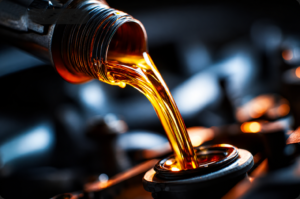

What Happens When You Use the Wrong Engine Oil Grade?
Engine oil is one of the most critical components in maintaining engine performance and longevity. While many vehicle owners understand the importance of changing engine oil regularly, selecting the correct engine oil grade is equally important. Using an oil with the wrong viscosity can affect lubrication, fuel economy, engine protection, and long-term reliability.
Modern engines are engineered with precise tolerances and lubrication requirements. Manufacturers specify the appropriate oil viscosity based on engine design, operating temperature, and expected driving conditions. Using an incorrect grade may not immediately damage the engine, but prolonged use can lead to accelerated wear and reduced performance.
Understanding engine oil grades
Engine oil grades are defined by the Society of Automotive Engineers (SAE) and are commonly expressed as values such as 0W-20, 5W-30, 10W-40, or 15W-40. The first number, followed by the letter “W” (Winter), indicates the oil’s flow characteristics at low temperatures. Lower numbers allow the oil to circulate more quickly during cold starts. The second number represents the oil’s viscosity at normal operating temperature. Higher numbers provide a thicker lubricating film when the engine is hot. Vehicle manufacturers carefully select these viscosity grades to balance engine protection, efficiency, emissions, and fuel economy.
What happens when the oil is too thick?
Using an engine oil with a higher viscosity than recommended may reduce lubrication efficiency during cold starts.
| Effect | Impact |
| Reduced oil film strength | Increased metal-to-metal contact |
| Higher engine wear | Faster component deterioration |
| Increased oil consumption | More frequent top-ups |
| Reduced protection under heavy load | Poor lubrication during high temperatures |
Modern engines rely on rapid oil circulation immediately after startup. Thick oil may take longer to reach components such as camshafts, valve trains, and turbochargers.
What happens when the oil is too thin?
Using an oil with lower viscosity than recommended can also create problems.
Possible consequences include:
| Effect | Impact |
| Reduced oil film strength | Increased metal-to-metal contact |
| Higher engine wear | Faster component deterioration |
| Increased oil consumption | More frequent top-ups |
| Reduced protection under heavy load | Poor lubrication during high temperatures |
When the oil film becomes too thin, critical engine components may not receive adequate protection under demanding operating conditions.
Effects on engine performance: Selecting the wrong oil grade can influence several aspects of engine operation.
Increased engine wear: Proper viscosity creates a protective film between moving metal surfaces. Incorrect viscosity reduces this protection, allowing friction to increase over time.
Higher operating temperatures: Engine oil helps remove heat from internal components. An unsuitable oil grade may reduce cooling efficiency, resulting in higher engine temperatures.
Reduced fuel economy: Many modern engines are designed around low-viscosity lubricants to reduce internal friction. Using thicker oil than specified can increase fuel consumption.
Sludge and deposits: Improper lubrication may accelerate oxidation and contamination, eventually contributing to sludge formation. Sludge restricts oil flow and reduces lubrication efficiency.
Shortened engine life: Continuous operation with the wrong viscosity may gradually increase wear on pistons, bearings, camshafts, turbochargers, and valve train components, potentially reducing overall engine life.
Factors to Consider When Selecting Engine Oil
Choosing the right engine oil is essential for maximizing engine performance, fuel efficiency, and long-term reliability. The best engine oil is not determined by viscosity alone—it must also meet the vehicle manufacturer’s performance specifications and operating requirements.
✔ Follow the vehicle manufacturer’s recommendation
✔ Select the correct SAE viscosity grade
✔ Ensure the oil meets the required API/ACEA/OEM specifications
✔ Consider climate and operating temperature
✔ Match the oil to the engine type (petrol, diesel, turbo, hybrid)
✔ Evaluate driving conditions and vehicle usage
✔ Choose the appropriate base oil (mineral, semi-synthetic, or fully synthetic)
✔ Verify compatibility with emission control systems (DPF/GPF/Catalyst)
✔ Use reputable, certified engine oil brands
Does changing oil grade improve engine performance?
Changing to a different viscosity should only be considered where permitted by the vehicle manufacturer. Factors such as high ambient temperatures, heavy-duty operation, towing, or high-mileage engines may influence oil selection, but any change should remain within approved manufacturer specifications.
Using a thicker oil simply because an engine is older does not automatically improve protection and may reduce efficiency.
Practical considerations for workshops and fleet operators
For workshops, distributors, and fleet operators, maintaining the correct oil grade across different vehicle models is essential for reliability and warranty compliance.
Recommended practices include:
- Maintain records of manufacturer specifications.
- Use only lubricants meeting the required API, ACEA, or OEM standards.
- Train service personnel to verify viscosity before every oil change.
- Avoid mixing incompatible engine oil grades unless specifically permitted by the manufacturer.